Chemspider - Website
UX Design
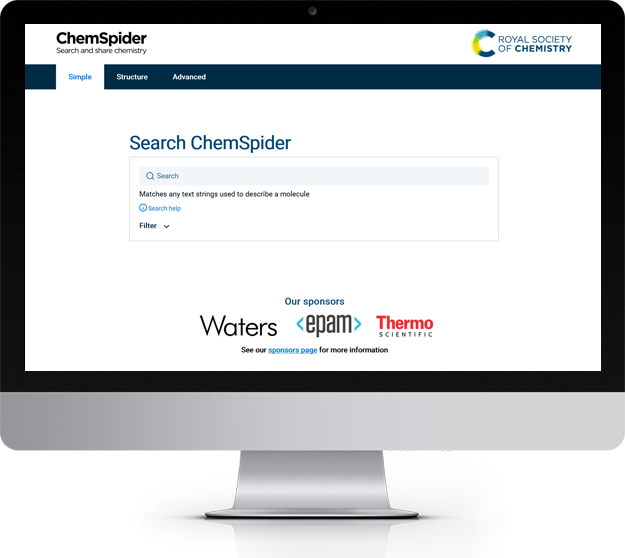
Project: RSC Chemspider website Role: UX Designer Tools: Figma, Miro Platform: Web
Chemspider is a free chemical structure database that offers access to over 130 million chemical structures aggregated from hundreds of data sources.
Over the course of nine months, I led the UX redesign of the Chempsider Website, working closely with the product manager, developers, and key stakeholders to enhance the search experience and usability for individuals seeking detailed chemical information.
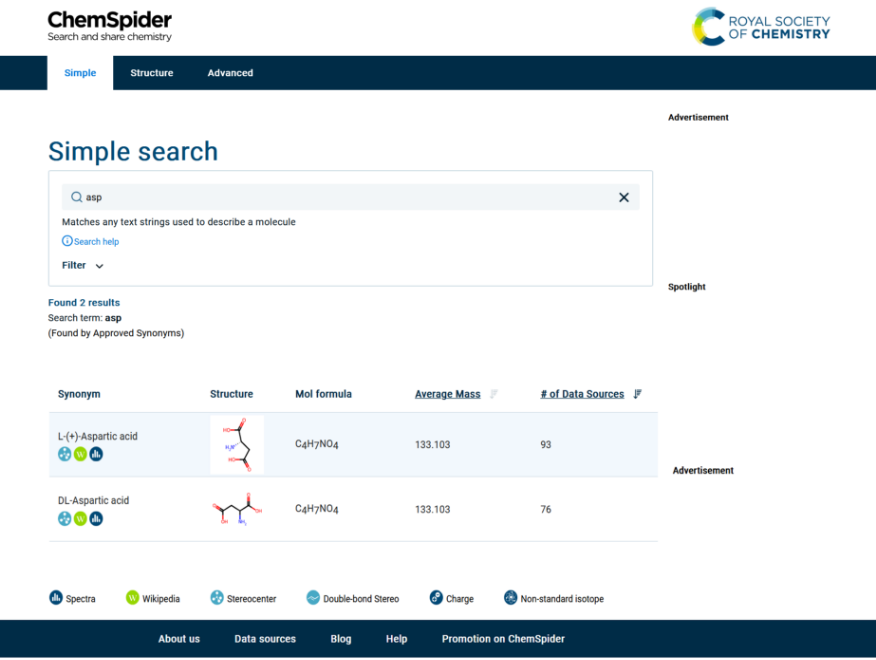
Over the course of nine months, I led the UX redesign of the Chempsider Website, working closely with the product manager, developers, and key stakeholders to enhance the search experience and usability for individuals seeking detailed chemical information.
The website is primarily used by students and researchers who rely on it for detailed chemical structure information to support their academic work and research. Given the critical nature of this data, factors such as the volume of database records, search performance, and the quality of search results are crucial to the website’s success. The core objectives of this project were to enhance the overall user experience by ensuring optimal performance, faster search response times, and more precise search results.
The project involved a website redesign, with the research phase focused on understanding existing user behaviour, issues, and needs to inform the new design direction. Insights were collected and analysed from previous research as well as additional activities such as stakeholder interviews, analytics and competitive analysis and comprehensive user research through user interviews and surveys.
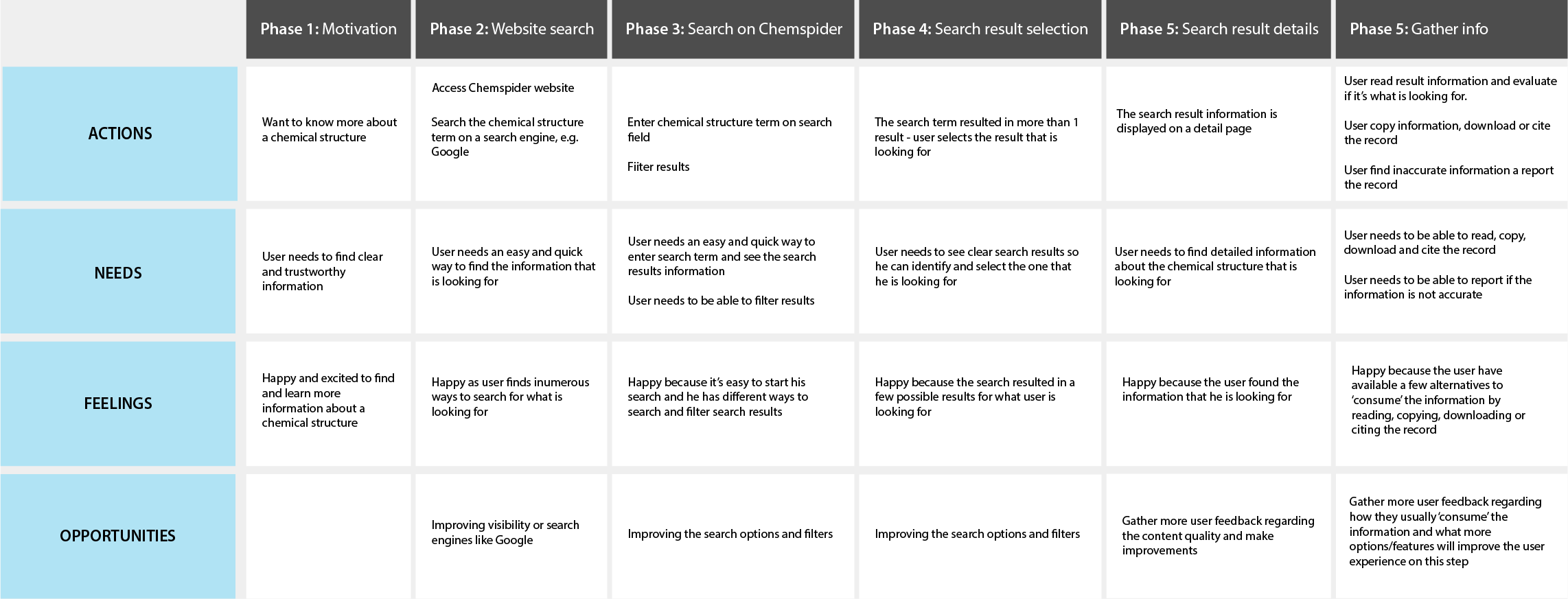
During these phases of the project, various artifacts were produced to structure raw data and establish a common understanding among multidisciplinary teams promoting an alignment between requirements and business goals. Among the artifacts produced were user journey maps, affinity maps, personas, mental models, analytics analysis and competitive analysis reports.
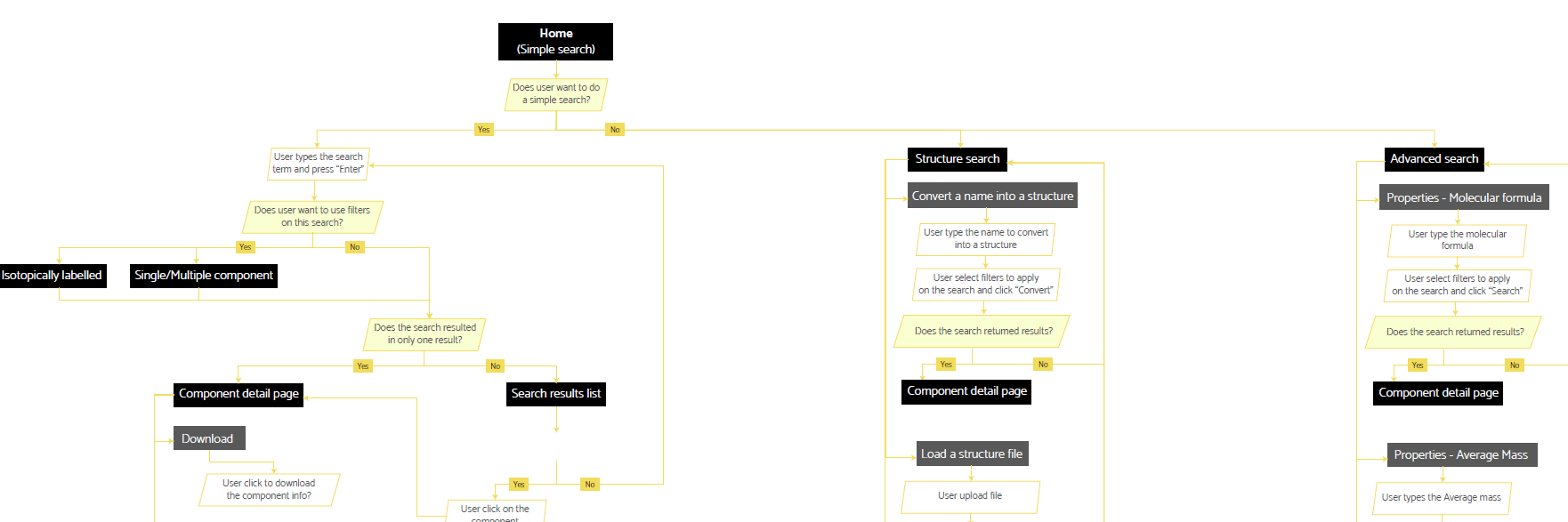
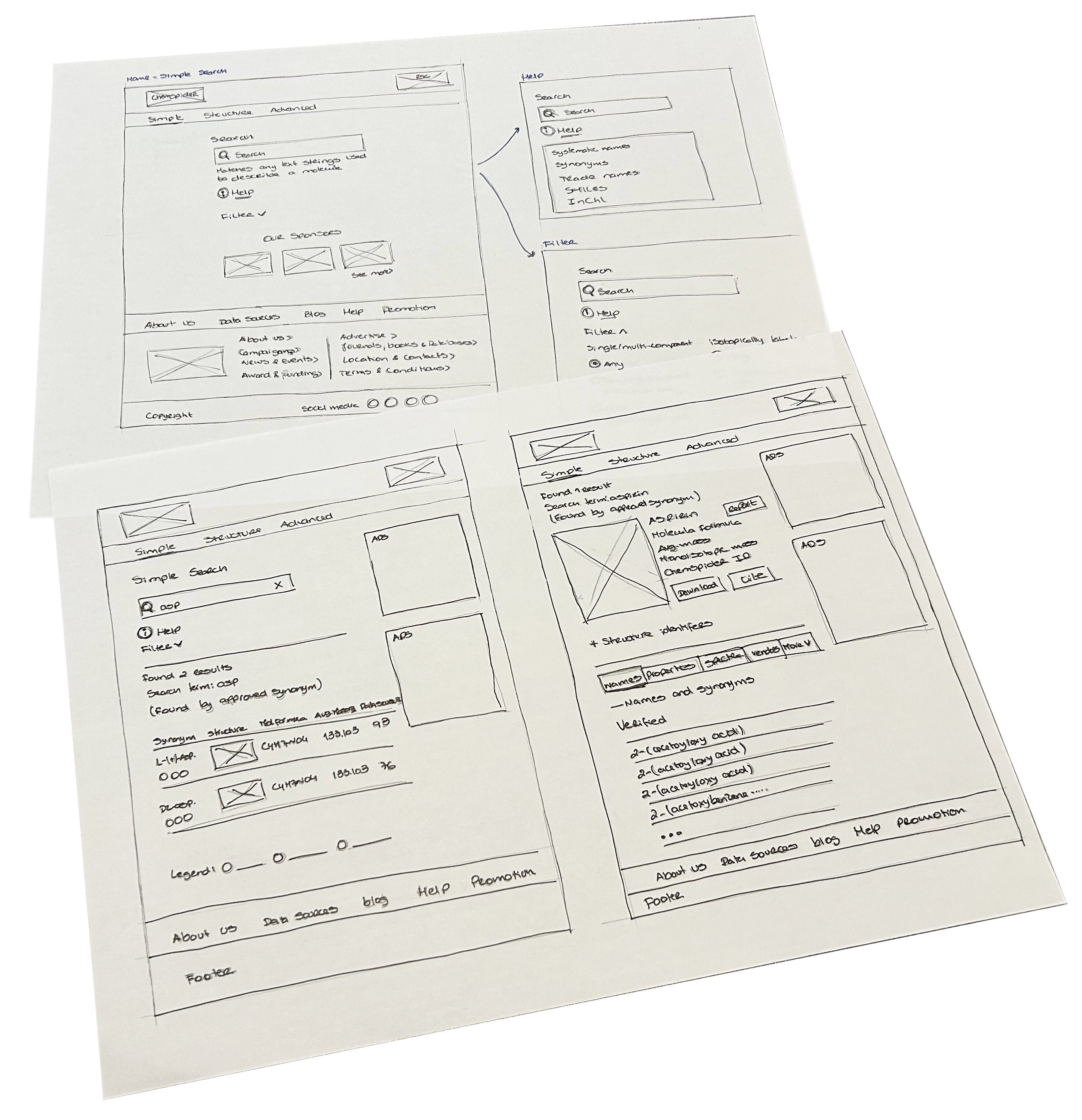
During Ideation & Exploration, multiple ideas were evaluated via brainstorming, sketches, and wireframes.
Two search concepts emerged: an all-in-one approach versus splitting searches into simple, structure, and advanced modes. The split method was selected based on user feedback, technical considerations, and on the similarity to the previous site for easier adaptation.
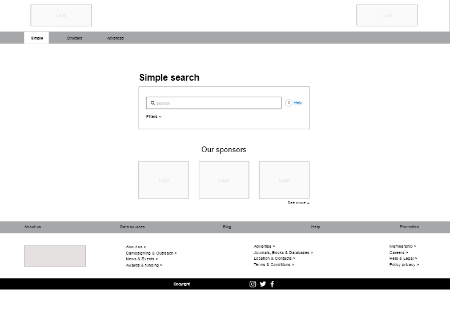
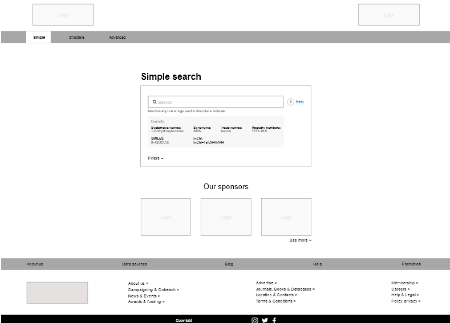
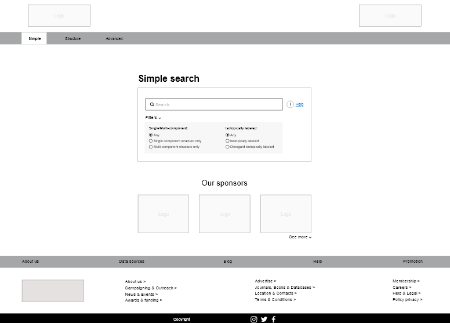
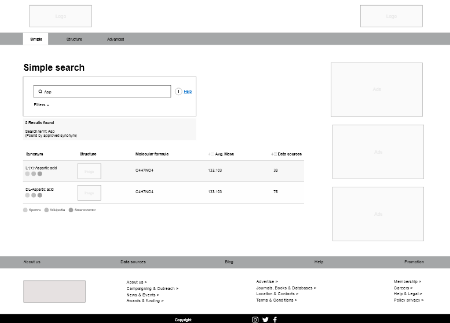
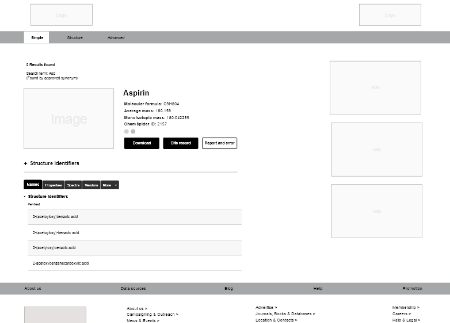
Once the Ideation phase was finished and wireframes approved, I began designing according to RSC Branding, design system guidelines, UI, and accessibility standards.
I've also created high-fidelity prototypes for user testing, resulting in a finalized design ready for developer handoff.
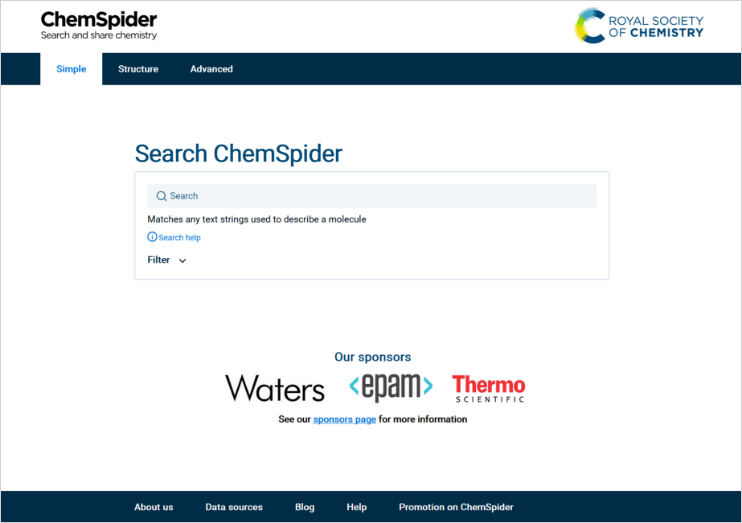
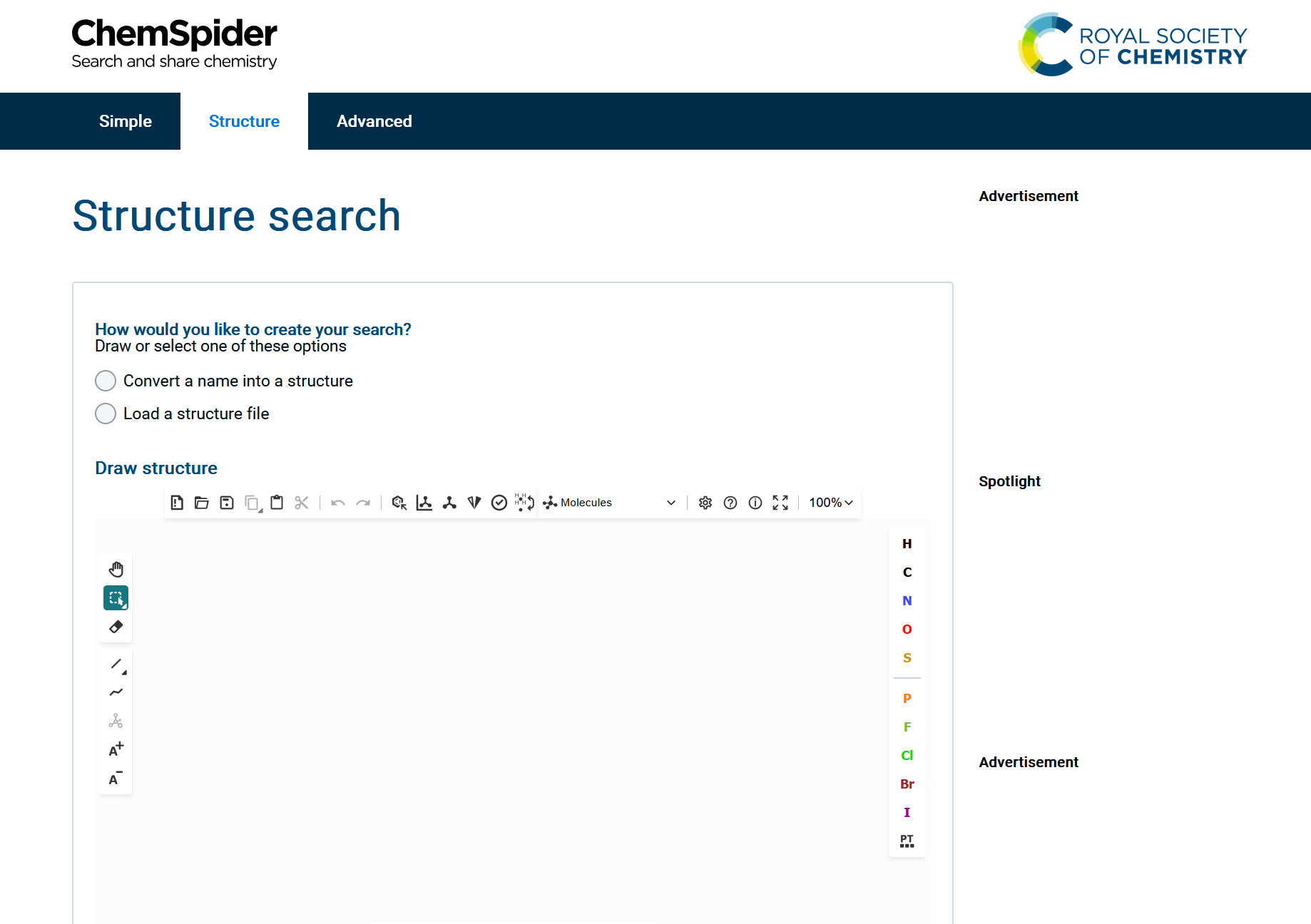
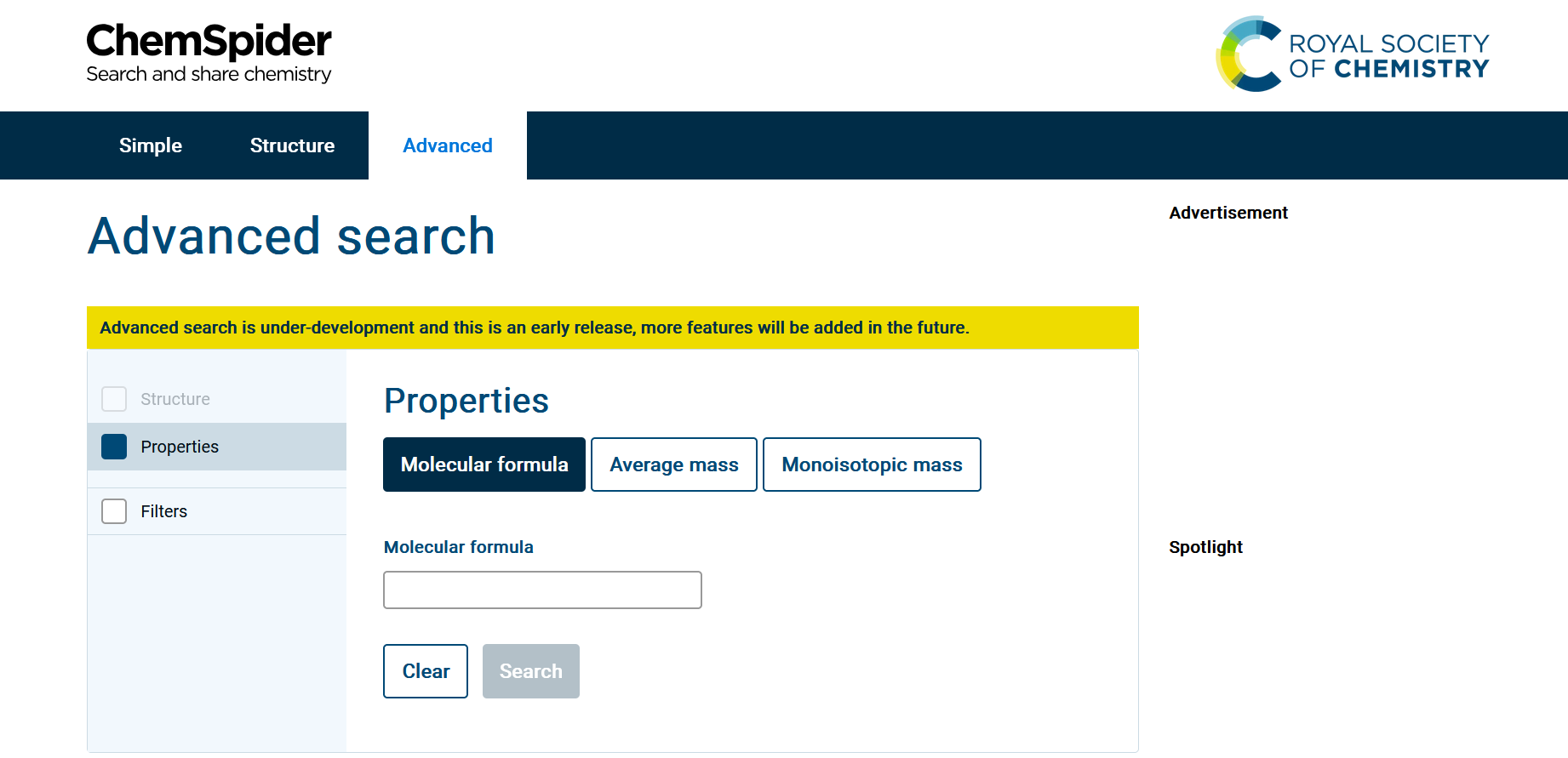
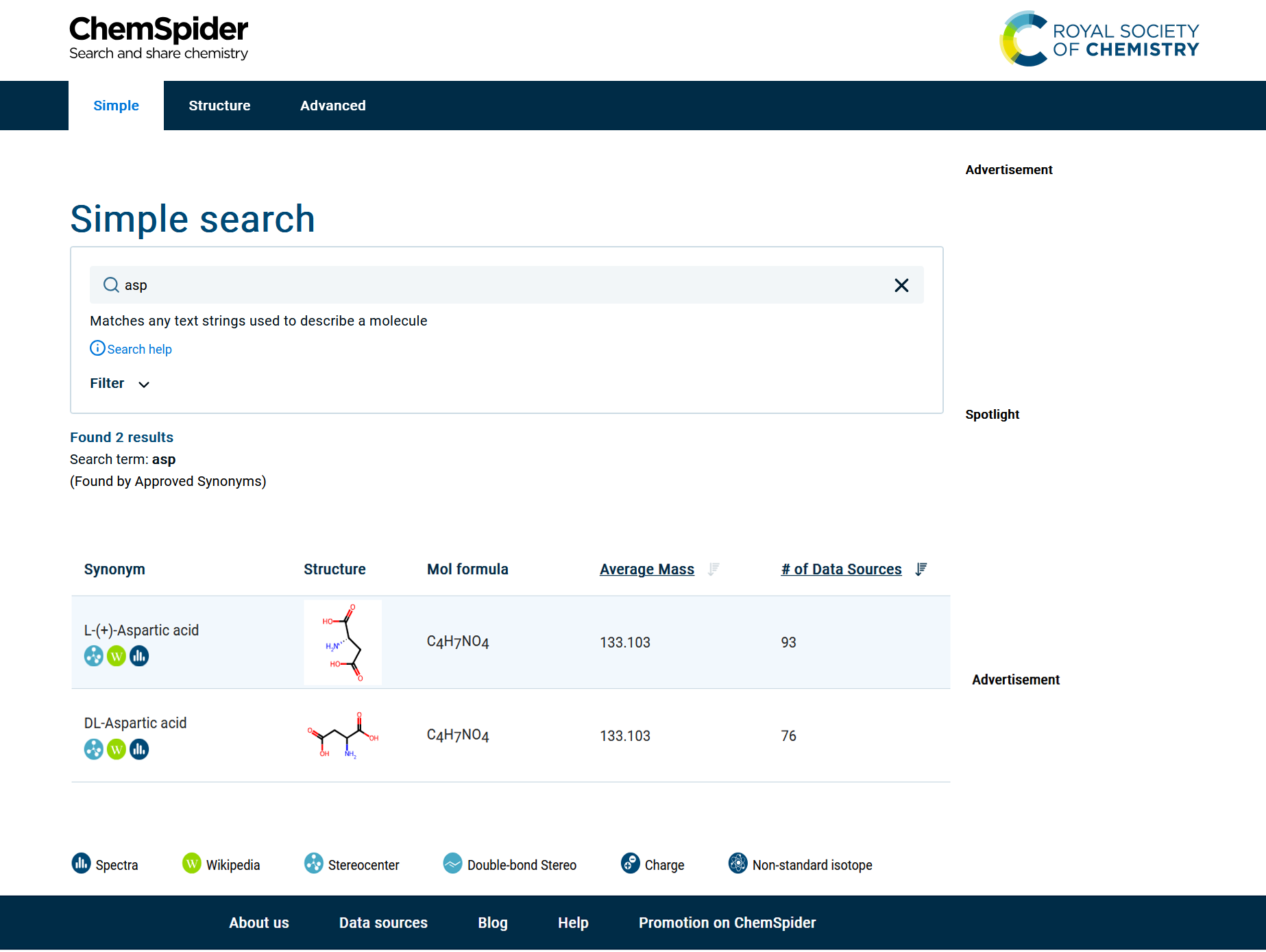
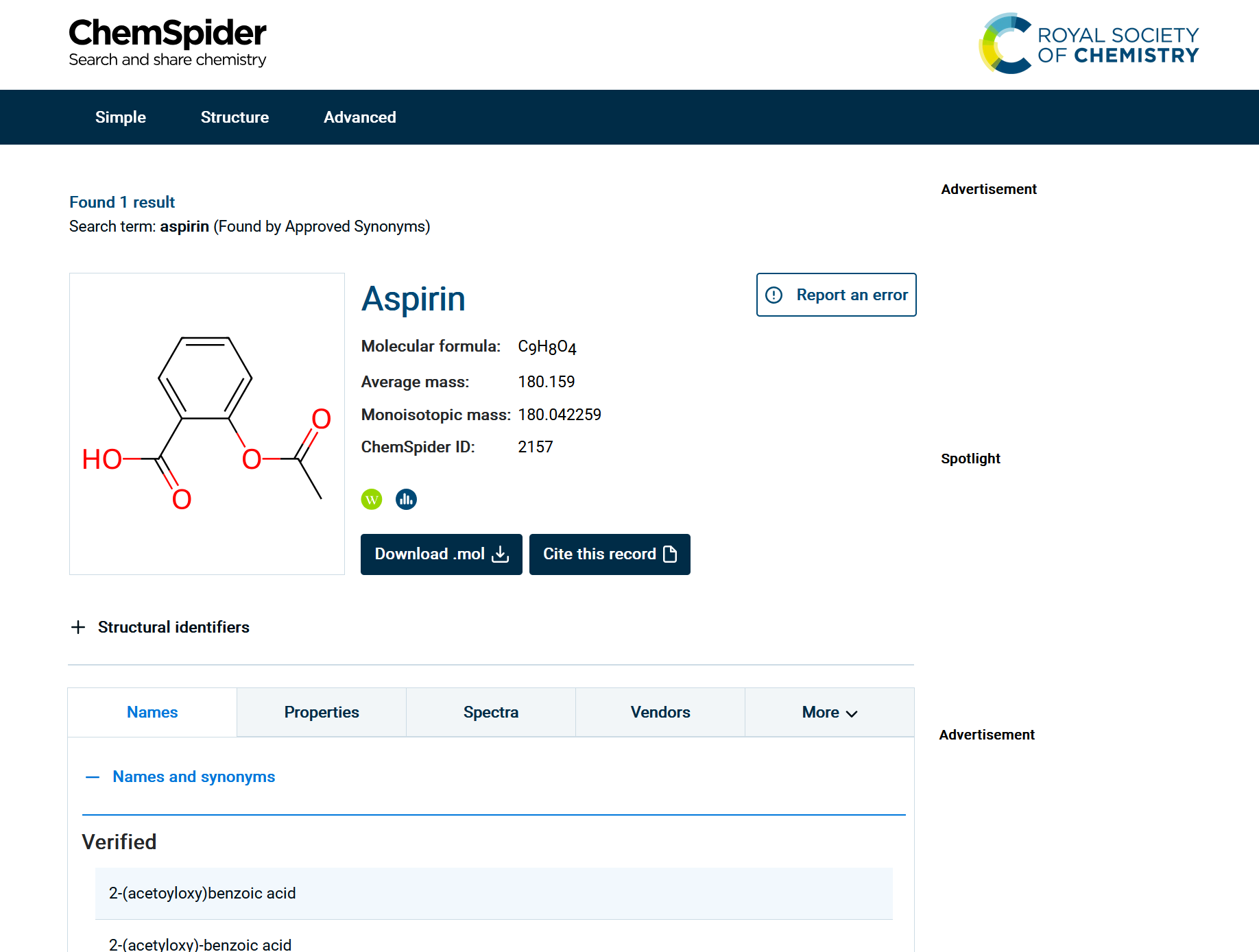
Two rounds of prototype testing were completed for this project. The first round involved low-fidelity prototypes to evaluate two search concepts considered during the ideation phase. The second round used high-fidelity prototypes to confirm findings and adjustments made from the initial testing.
The website redesign resulted in a higher rate of successful searches and fewer errors, contributing to measurable changes in user experience.